Public Writing

Featured Essays:

Essay

AI is a technological version of the Homeric songs

Its agents are more than stochastic parrots and stranger than machine gods, write Henry Farrell and Cosma Shalizi FOR THE GREEKS, an enthusiast was someone inspired by the divine: the Pythian oracle in her frenzy, or Homer invoking the goddess to sing of Achilles’s wrath. Today’s artificial-intelligence enthusiasts predict that the machine gods are coming to transform the world, doing everything that humans can, only better. The faith of these enthusiasts has grown as AI agents solve major open maths problems and hack into other people’s websites, discomfiting sceptics who see AI models as “stochastic parrots”, fit only for fancy spellchecks and a few other ...
Read Article
Essay

The Chokepoint Trap

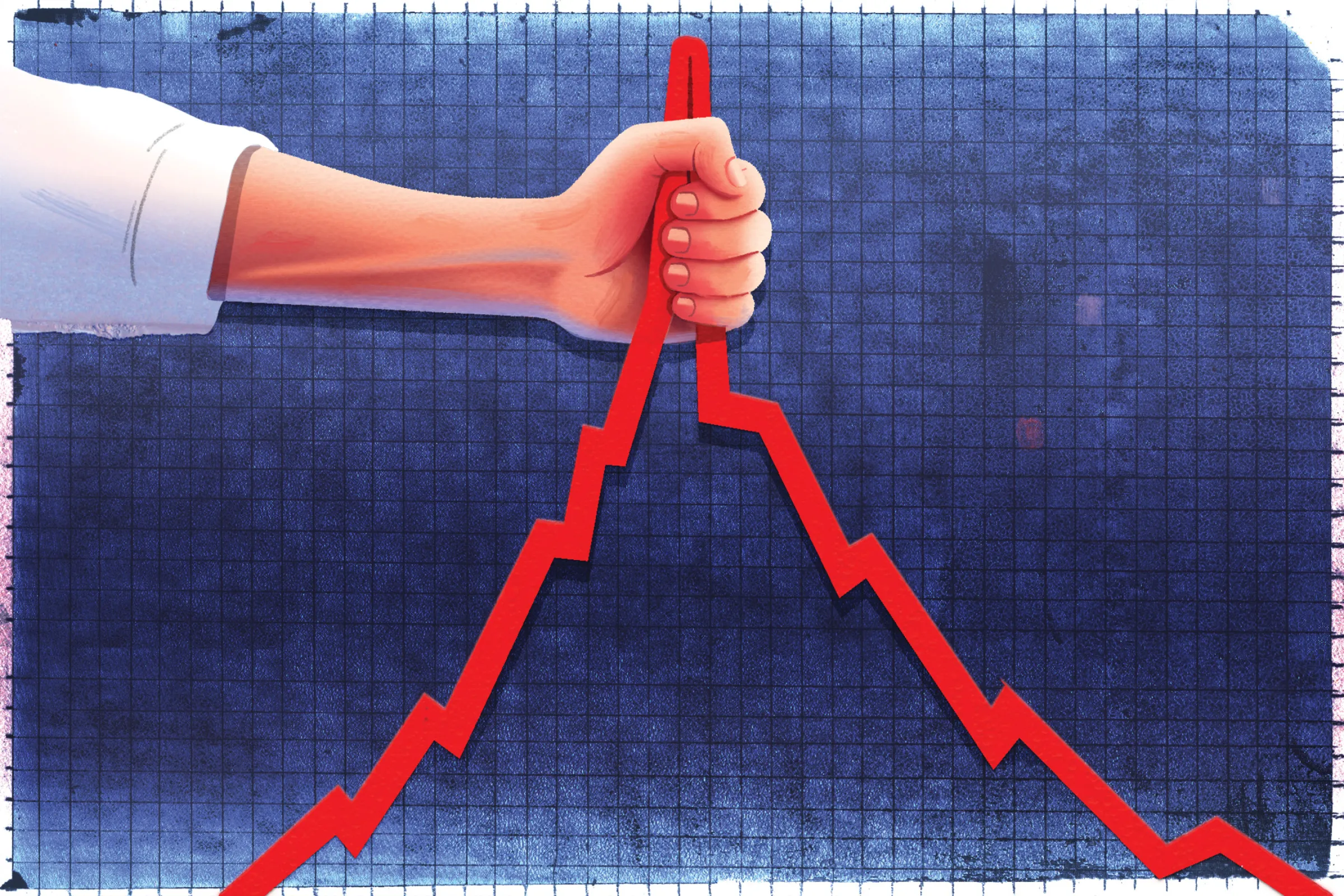
How the Search for Economic Security Will End in Geopolitical Calamity Henry Farrell, Abraham Newman, and Yeling Tan Policymakers used to ignore chokepoints. Now they have trouble seeing anything else. U.S. President Donald Trump’s administration warns allies against dependence on China while it hunts for ways to exploit those allies’ own dependence on the United States—on its market, technologies, financial system, and security umbrella. Beijing, meanwhile, accuses Washington of economic coercion while leveraging its dominance over critical supply chains to press the United States and Europe. More at Foreign Affairs, Nov/Dec 2026 issue.
Read Article
EssayPublic Writing

Does Silicon Valley Dream of Philip K. Dick?

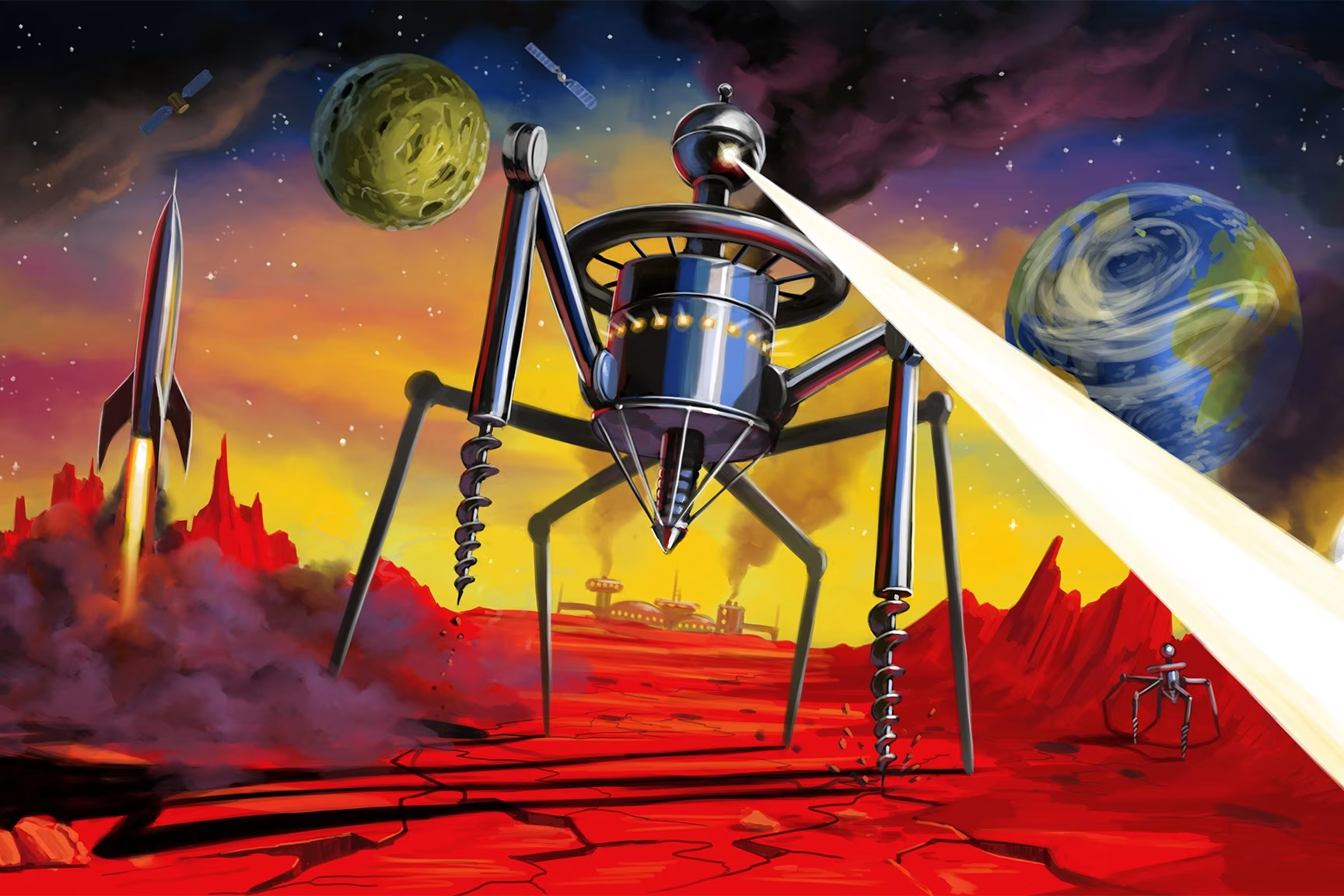
“Silicon Valley likes to dress its ambitions in the glistening garb of science fiction from the 1950s, when authors such as Isaac Asimov and Arthur C Clarke spun tales of humanity spreading through the stars.  But what kind of future are we really hurtling towards? Increasingly, it is looking much more like the one anticipated by the drugged-up 1960s oeuvre of Philip K Dick, filled with deranged billionaires, machines that claim consciousness, hallucinated worlds and political breakdown.” On August 8, 2026, Dan Wang and I wrote the Weekend Essay for the Financial Times.
Read Article

Public Writing Archives

Featured Interviews:

Interview

“Panopticons and Chokepoints,” an interview with Richard Byrne

A new view of international relations puts global networks – and how they can be weaponized – at its center. What’s the future of regulation in this new landscape? “The debate we see at the moment is never going to be about trade and open markets in the same kind of way anymore,” says Farrell. ...
Read Article
Interview

Interview with economist Tyler Cowen on Weaponized Interdependence, Big Tech, and Playing with Ideas

Whether it’s China’s influence over the NBA, the US ban of Huawei, or the EU courts asserting that countries can force Facebook to take down content globally, Henry Farrell has played a key role articulating how global economic networks can enable state coercion. Tyler and Henry discuss these issues and more, including what a big ...
Read Article

Interviews

Sorry, we couldn't find any posts. Please try a different search.

Essays

The Most Damaging Election Disinformation Campaign Came From Donald Trump, Not Russia with Bruce Schneier

On November 4, 2016, the hacker “Guccifer 2.0,” a front for Russia’s military intelligence service, claimed in a blogpost that the Democrats were likely to ...
Read More

Information Attacks on Democracies – with Bruce Schneier

Democracy is an information system. That’s the starting place of our new paper: “Common-Knowledge Attacks on Democracy.” In it, we look at democracy through the ...
Read More

Three Moral Economies of Data – with Nils Gilman

In October 24, Tim Cook, the CEO of Apple, gave an epochal speech to a conference of European data officials. Many outside the technology industry ...
Read More

Hypocrisy is a Useful Tool in Foreign Affairs. Trump is Too Crude to Play the Game with Martha Finnemore

Hypocrisy has a bad connotation, but it offers a useful middle course in the world of geopolitics; it once lubricated the engine of U.S. power. ...
Read More

The Wrong Way to Punish Iran with Abraham Newman

During the war on terror, the United States quietly turned the world financial system into a hidden empire. The American government used the power of ...
Read More

The New Economy’s Old Business Model is Dead

The titans of the new economy are different from their predecessors in one very important way: They aren’t job creators — at least not on ...
Read More

“The “Intellectual Dark Web,” Explained: What Jordan Peterson Has in Common with the Alt-Right”

Bari Weiss, an opinion writer and editor at the New York Times, created a stir this week with a long article on a group that ...
Read More

Mark Zuckerberg Runs a Nation-State, and He’s The King with Margaret Levi and Tim O’Reilly

“In a lot of ways Facebook is more like a government than a traditional company,” Facebook CEO Mark Zuckerberg has said. He elaborated on this ...
Read More

Northern Ireland’s Brexit Problem

Next month, the Irish and British people should be celebrating the 20th anniversary of the Good Friday Agreement. The agreement serves as the cornerstone of ...
Read More

Our Hackable Political Future The New York Times with Rick Perlstein

Imagine it is the spring of 2019. A bottom-feeding website, perhaps tied to Russia, “surfaces” video of a sex scene starring an 18-year-old Kirsten Gillibrand. ...
Read More

American Democracy is an Easy Target

Americans have become paranoid about foreign cyberattacks on their political system, but they have nobody but themselves to blame. Access the full article here.
Read More

Saving Democratic Institutions from Corrupting Markets

Brink Lindsey and Steven Teles’ essay – and the book that lies behind it – are part of a broader liberaltarian challenge. Liberaltarianism, as I ...
Read More

How Facebook Stymies Social Science

What exactly was the extent of Russian meddling in the 2016 election campaign? How widespread was its infiltration of social media? And how much influence ...
Read More

This Year’s Economics Nobel winner Invented a Tool That’s Both Brilliant and Undemocratic

Richard Thaler, of the University of Chicago, just won the Nobel Memorial Prize in economics for his contribution to behavioral economics — the subfield known ...
Read More

Revolutionary Possibility (on China Mieville’s October)

October, China Miéville’s new book, describes the October Revolution as a moment of possibility. In its closing pages, Miéville explains why he wrote the book, ...
Read More