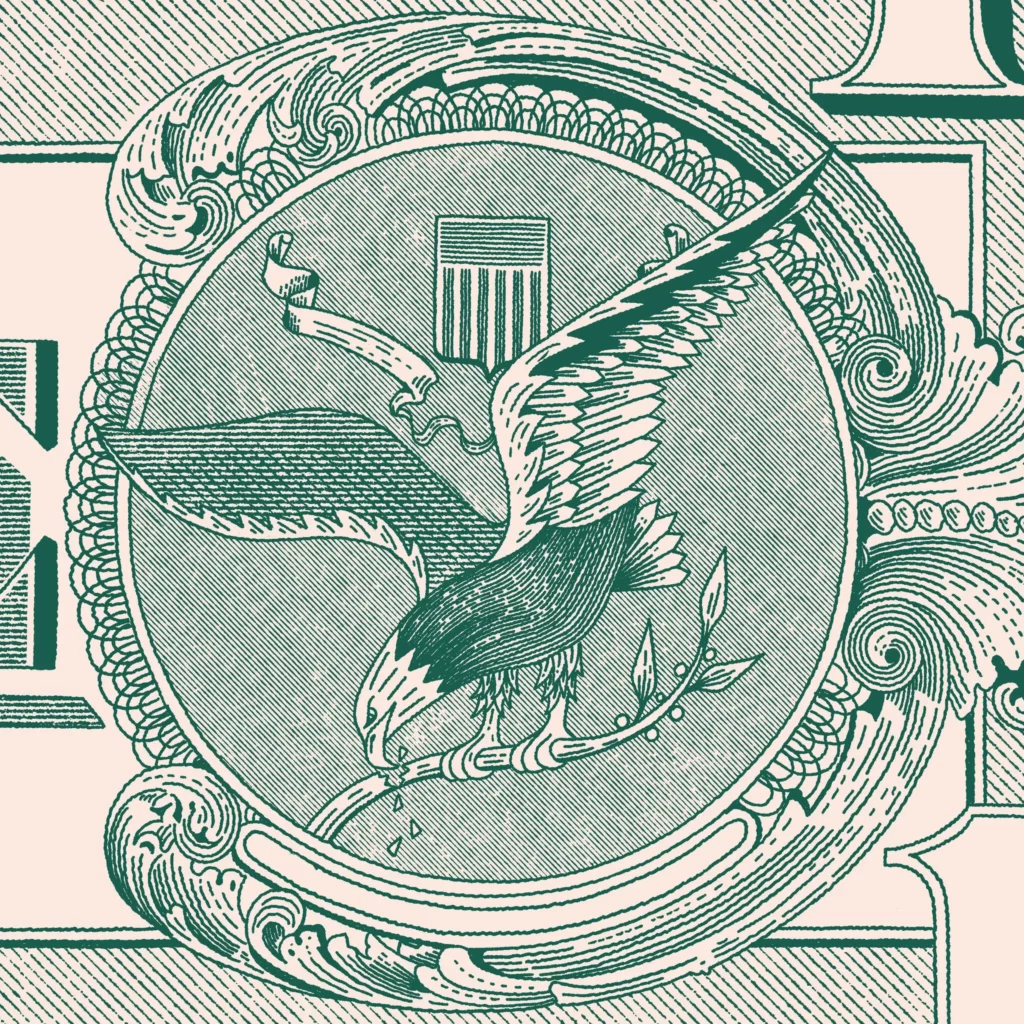
This Is How Trump Will Smash the Machine of U.S. Economic Power

Economic security officials worked across administrations, gradually developing grand ambitions of a global order founded on financial sanctions, export controls and development of crucial technologies. Each new administration built up the economic weapons it inherited from the last and encouraged its successors to keep building the structures of American economic power. We are about to find out what happens when those structures are controlled by a disruptive administration — and what happens when that administration inherits the weapons without the accompanying sense of responsibility.

Read the full article in the New York Times.

Other Writing:

Chapter in an Edited Volume

“The Political Economy of the Internet and E-Commerce,” in Political Economy and the Changing Global Order (third edition) – eds. Richard Stubbs and Geoffrey R.D. Underhill

How have new information technologies affected international political economy? In the heady years of the dot com bubble, many academics and commentators predicted that the Internet and e-commerce would empower private actors and weaken states. Indeed, some libertarians hoped that the Internet would lead to a collapse in state authority. However, these predictions have not ...
Read Article
Essay

The Transatlantic Data War: Europe Fights Back against the NSA – with Abraham Newman

Last October, the European Court of Justice struck down the Safe Harbor agreement, a 15-year-old transatlantic arrangement that permitted U.S. companies to transfer data, such as people’s Google-search histories, outside the EU. In invalidating the agreement, the ECJ found that the blurry relationship between private-sector data collection and national security in the United States violates ...
Read Article